Great Tits
Tits feeder
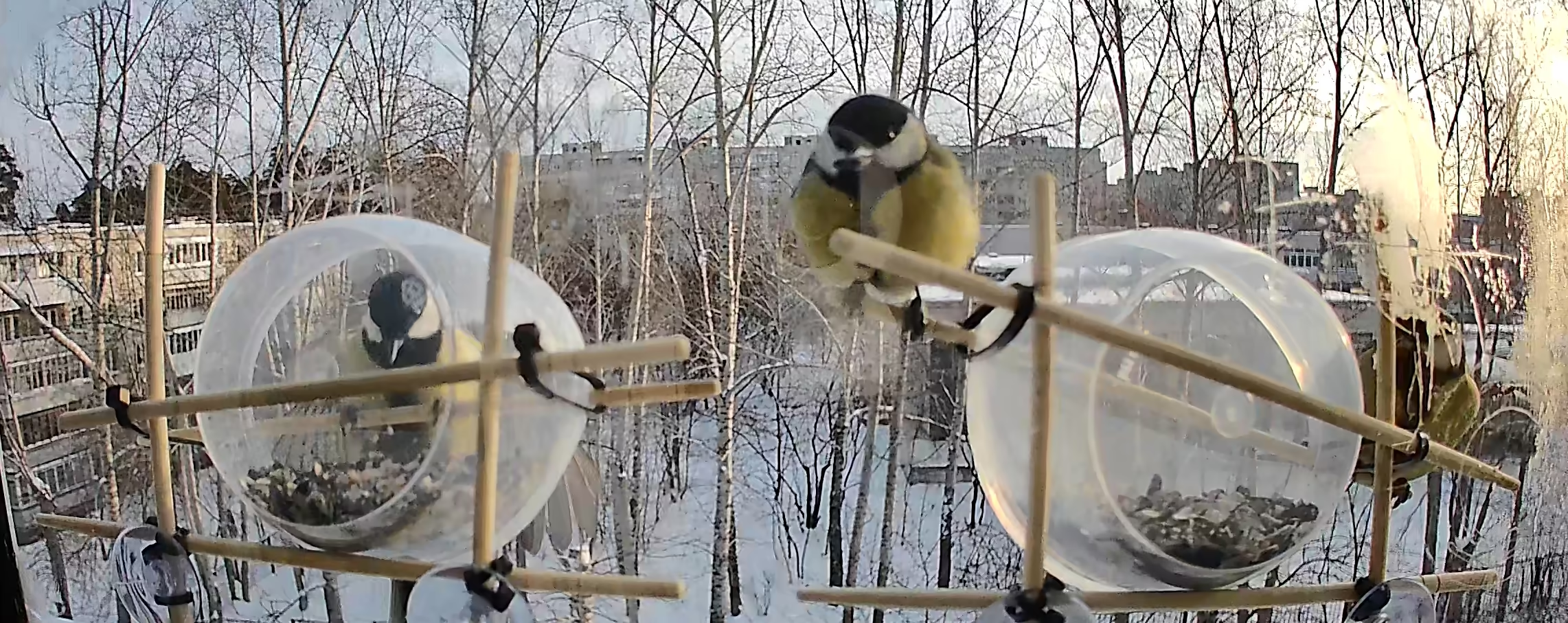
I’ve been experimenting with custom window bird feeder designs. Perhaps I went too far with these experiments.
How things started
Simple commercial feeders didn’t protect against pigeons. And pigeons block smaller birds from the feeders.
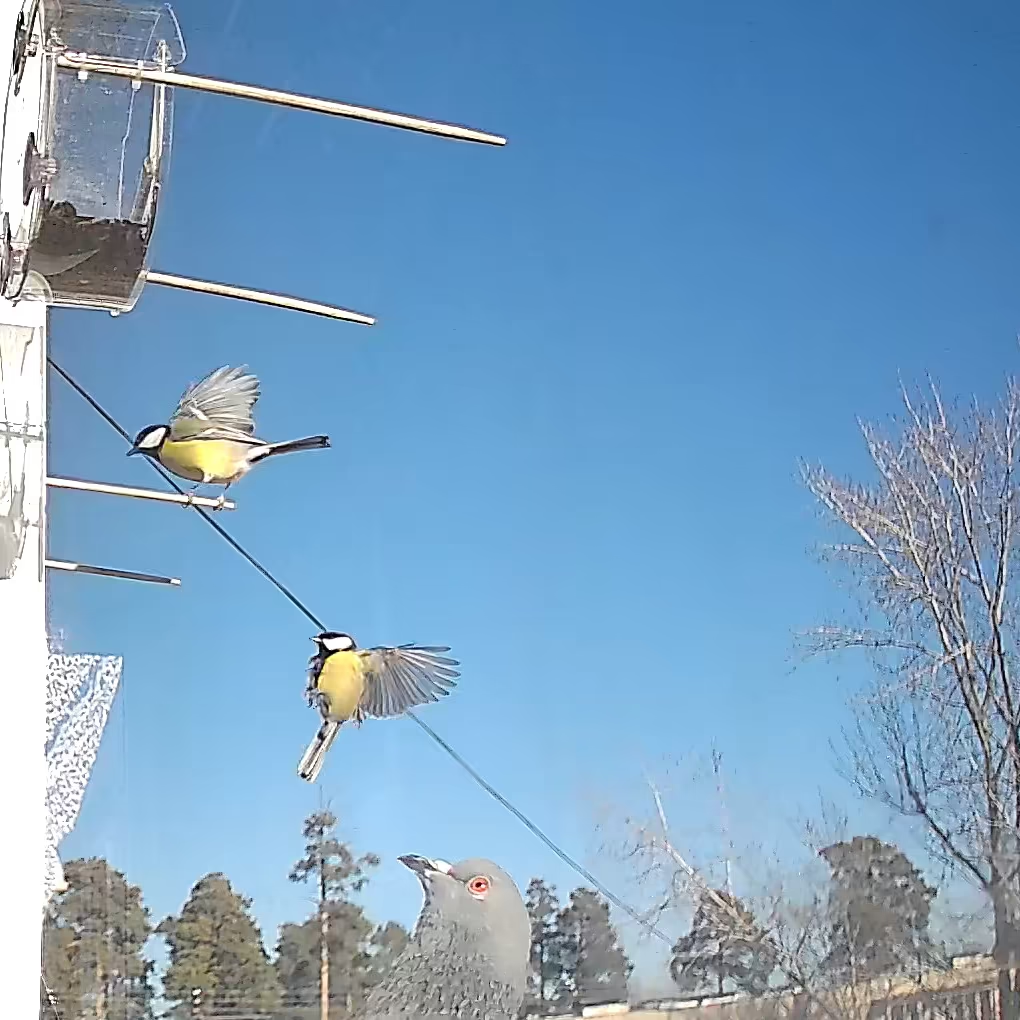
Sparrows were the second challenge. They are stronger than tits (that’s a species name). They block the feeder because they like to eat on the spot, and if space allows, a crowd will gather.
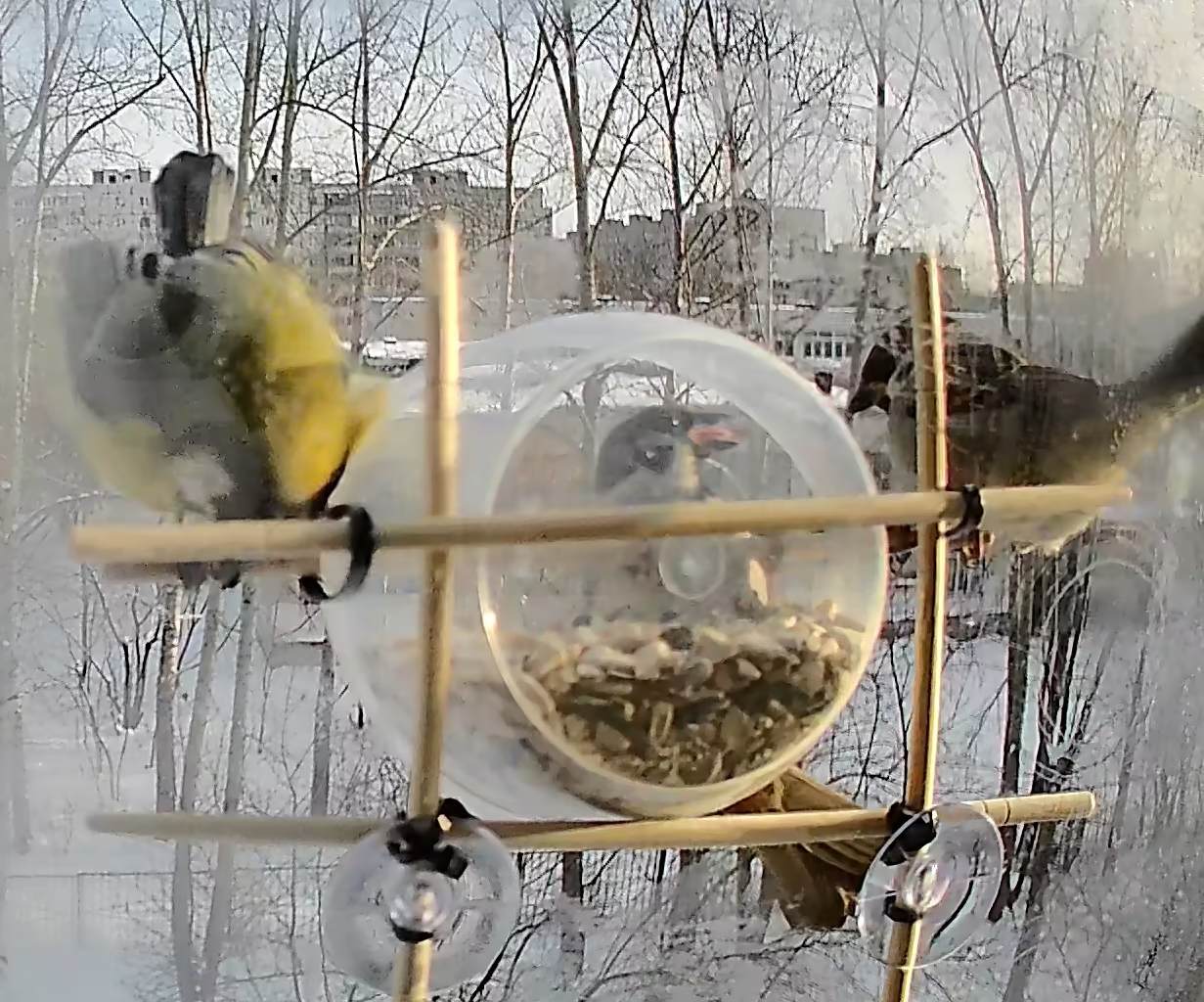
Accidentally, I came up with this simple feeder design that allows some freedom of rotational movement. I think it works because it’s:
- small, slippery and, rotates so it isn’t straight and a pigeon can’t sit on it
- less stable for sparrows; also, the noise scares them away when birds push against the loose construction while jumping on/off
- great tits are more acrobatic and are exploratory, so they do get around the inconvenience and find a way to use it
Sparrows can still use this design, but they sit only for a short time. A tit can literally push a lever to send an occupying sparrow out. They don’t often do that explicitly, but I love the idea that they always have the tool.
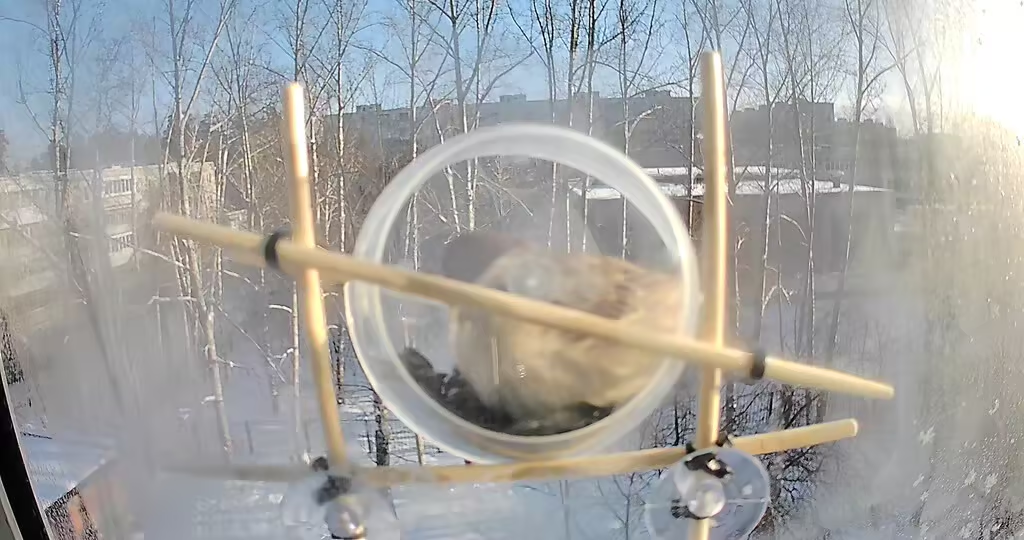
Current design
Components:
- A round PP-marked container with a lid (the container’s opening isn’t sharp): 112mm, 360ml
- chopsticks: ~20cm 5x
- nylon clamps: 2.5x100mm 6x; 3.6x200mm 2x
- suction cups - 30mm 2x, ones with a hole through them (a chopstick fits in); these small caps are better than larger, looser ones for this task because they keep the construction more vertical and closer to the window
Tools:
- scissors to cut the lid
- needle file to remove any remotely sharp edges
The final product consists of two parts:
- a base that is attached to the glass
- a feeder that is easily removable
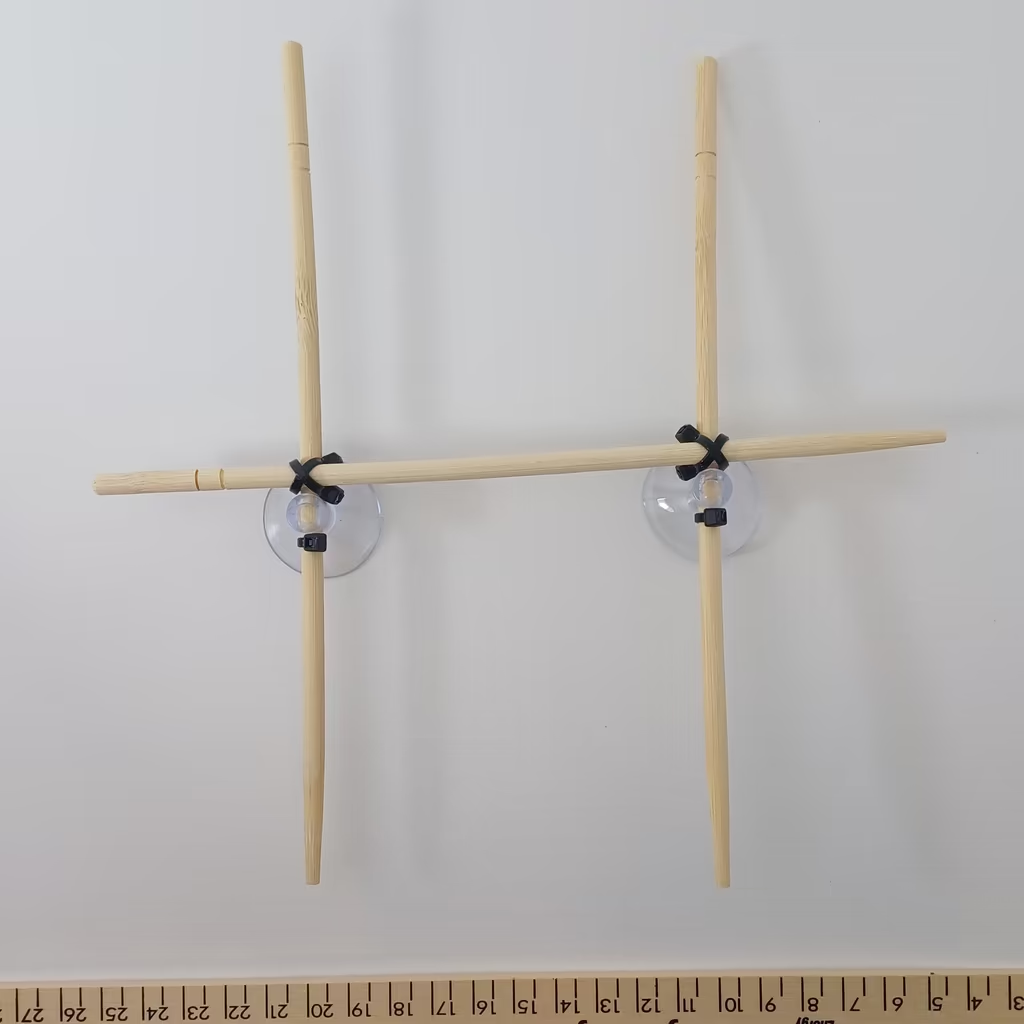
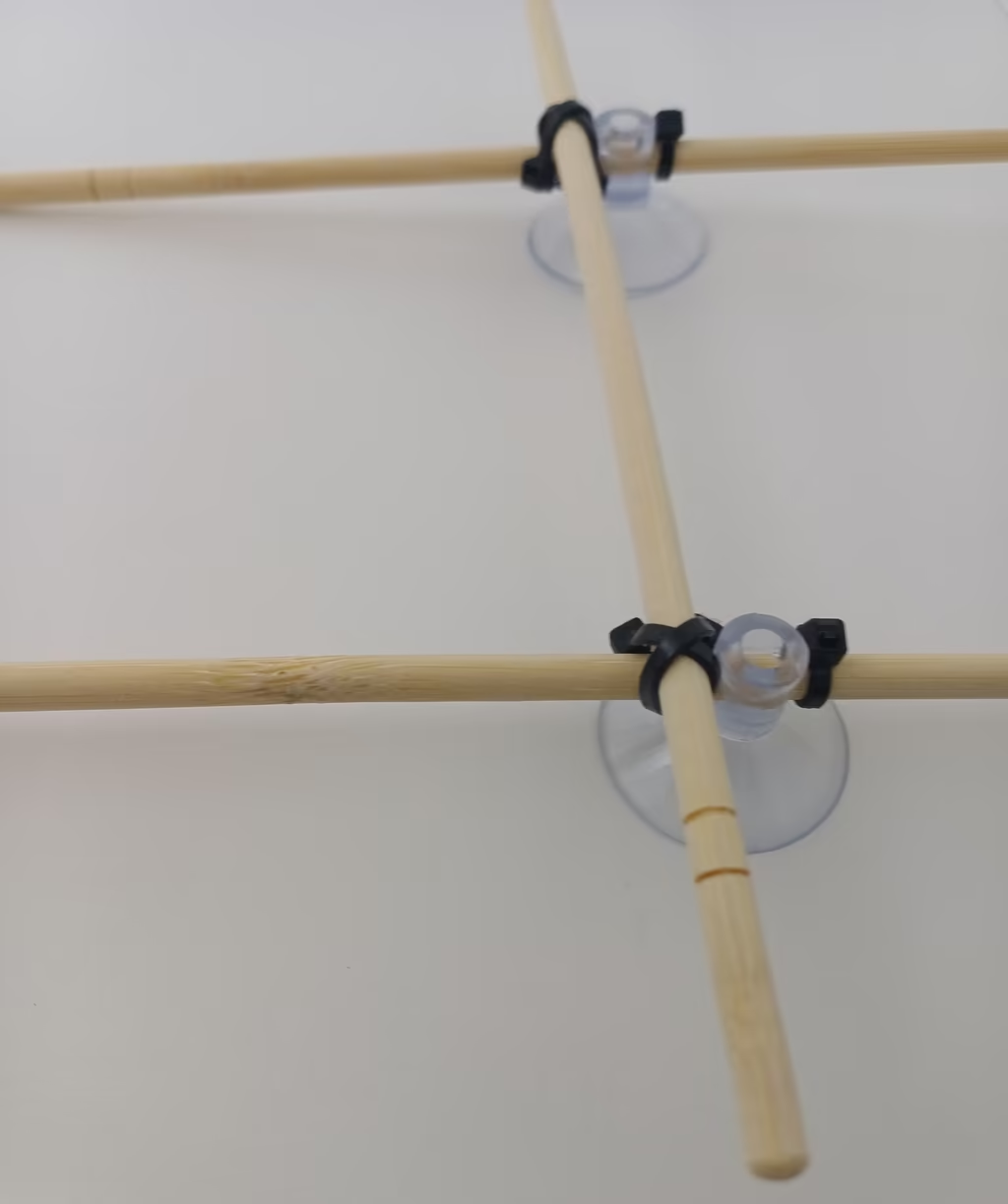
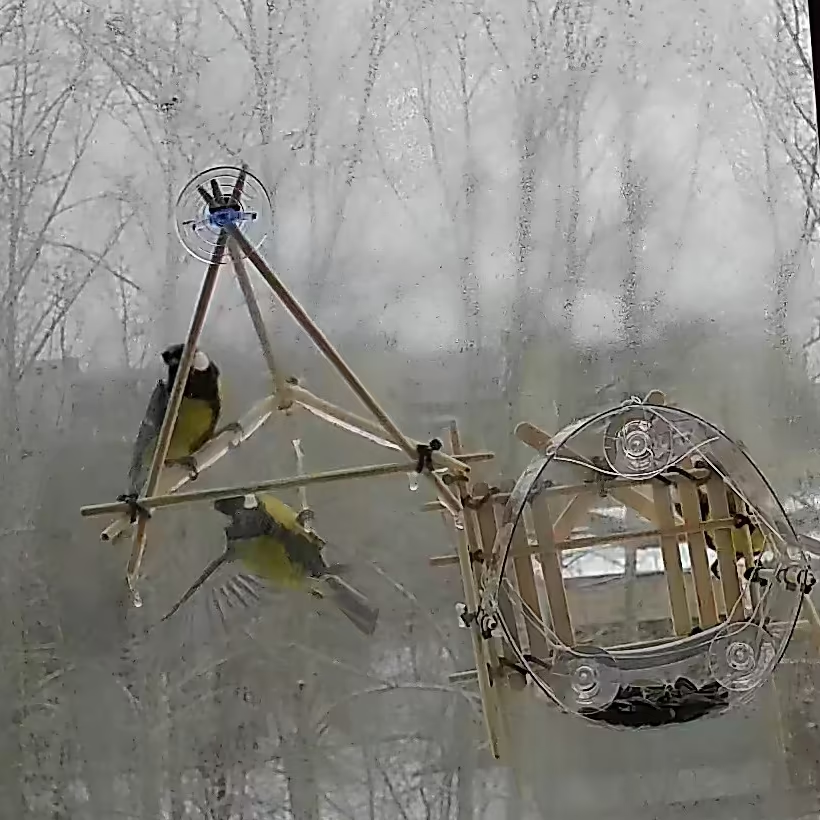
The base is made from two vertical chopsticks and a third, horizontal one. Given my container radius, I separate vertical chopsticks from each other by 9.5cm. The horizontal stick is attached perdendicular to them to hold them. It is attached using two perpendicular nylon clamps at each point where the sticks cross. Then I attach the suction caps to the sticks through the hole, secured with an additional clamp. In this movement-allowing design, the horizontal chopstick of the base should be the part furthest from the glass so the container can sit on it. Therefore, the suction caps must be oriented accordingly.
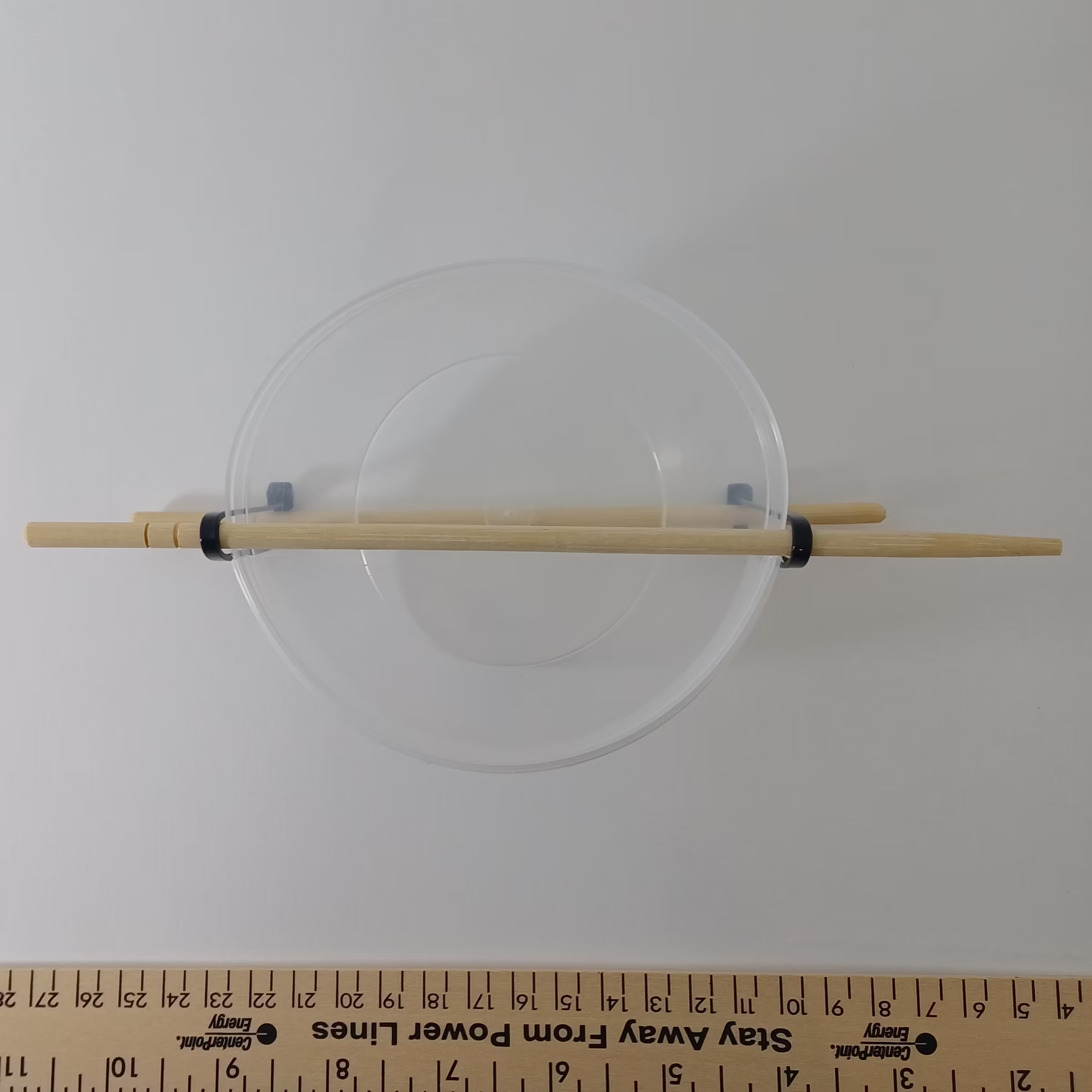
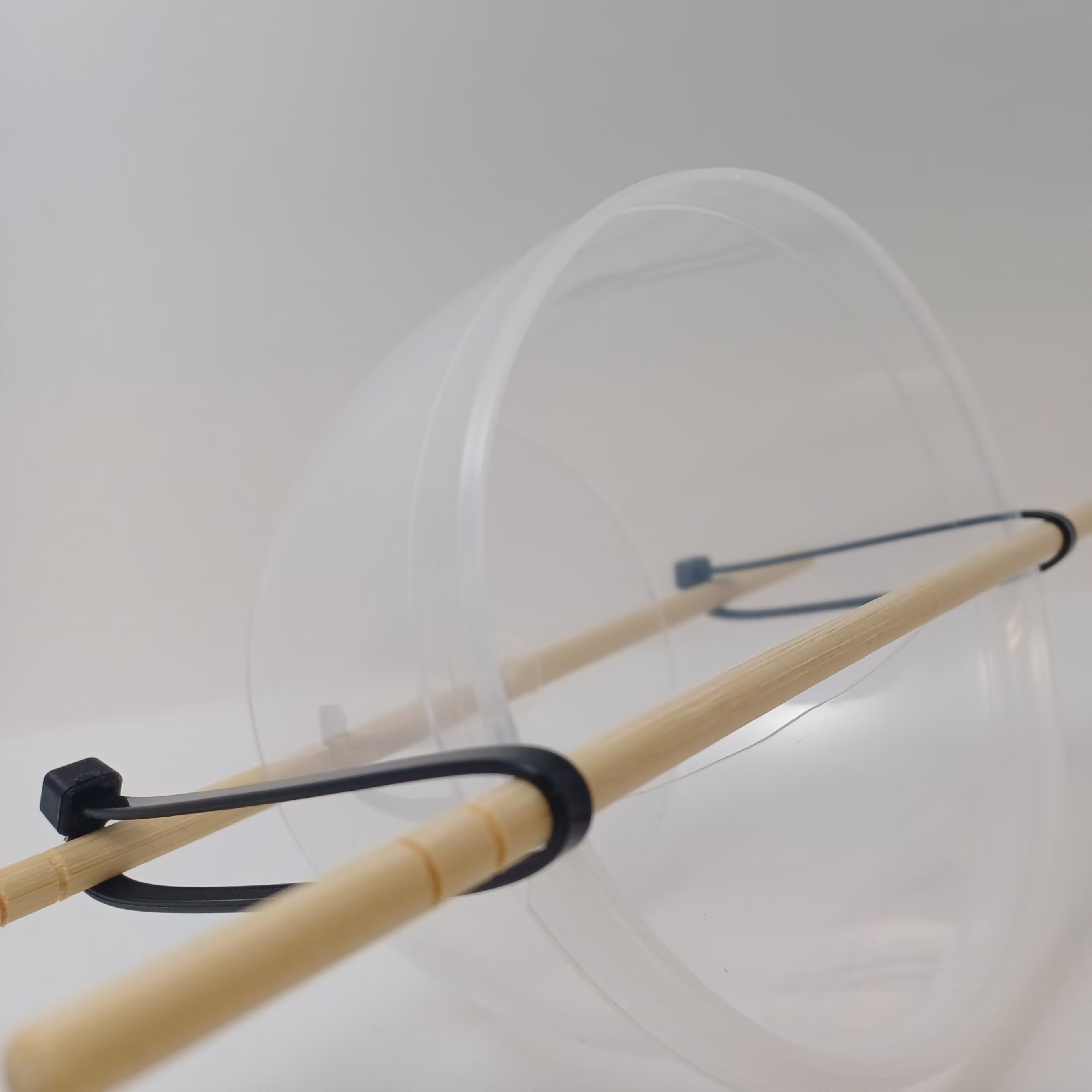
Next goes the feeder. First, the container lid is cut into two halves, but one half is smaller. This allows the chopstick for birds to be in the center, with the smaller half of the lid below it. This smaller half helps to hold the container’s shape and prevents seeds from pouring out. Also, to give birds’ feet more space to grab the stick, the lid is cut with a downward curvature.
Then, the lid and container are assembled. The final step is to attach two sticks: one at the opening for birds to perch on, and one on the back for the feeder to hook onto the base. They are joined by two longer clamps. I tightened the clamps until the container showed some elliptical deformation so things are held together.
That’s it - it can be tested on some furniture, or on the glass. When the base is attached to the glass, the feeder is placed from the top. Its horizontal stick hooks over the two vertical sticks of the base, with the feeder’s opening angled slightly downward. This allows the round container to sit on the base’s horizontal stick, allowing it to rotate.
Safety
- I file/sand down anything remotely sharp since birds explore all surfaces
- I keep some distance between feeders since they have moving parts
- I provide enough feeders to handle crowds, so birds don’t bump into each other and the feeders
Supporting stuructures
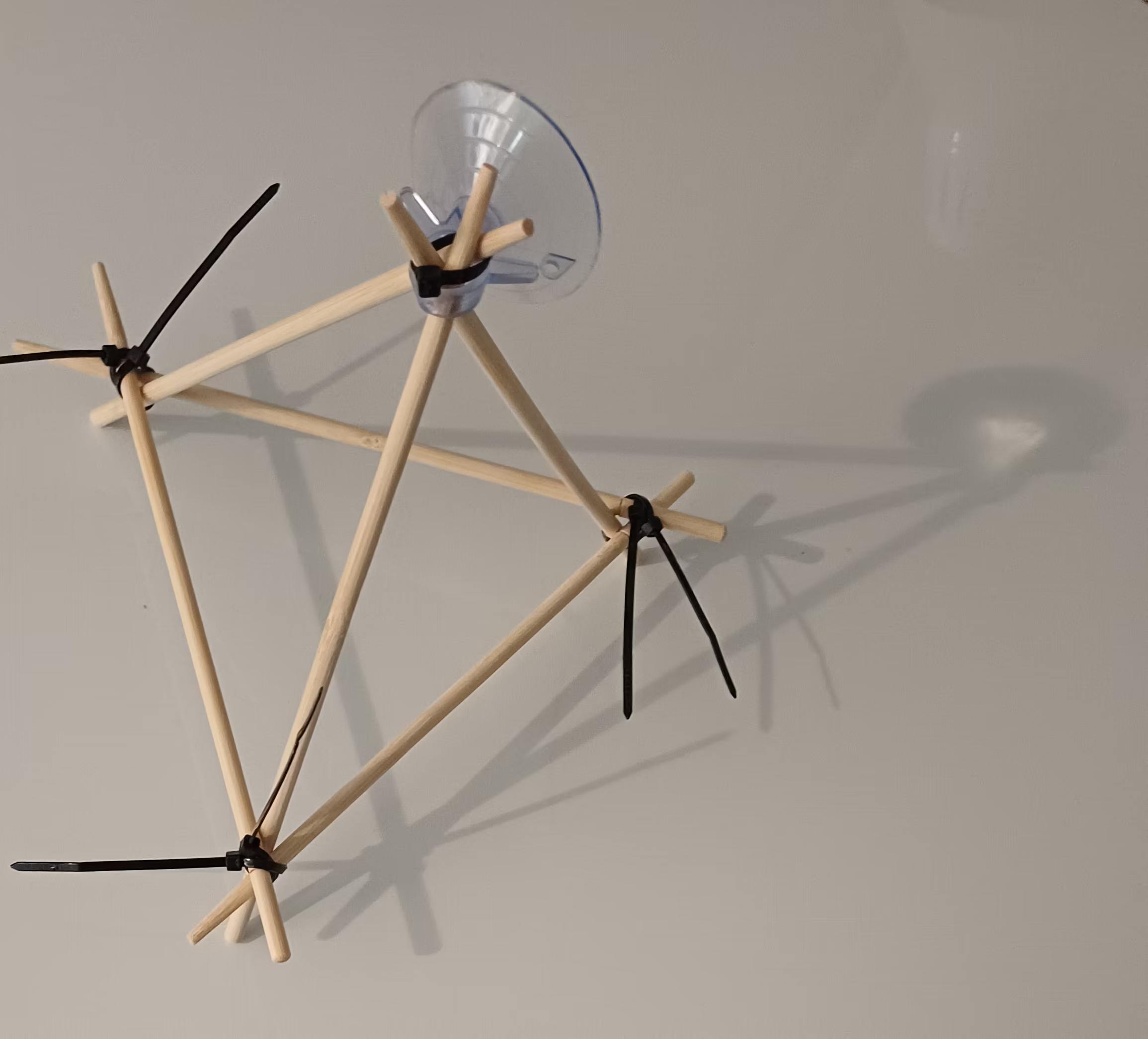
It’s possible to make tetrahedrons from sticks, clamps, and suction cups. Then some birds will use them for waiting or eating there instead of flying away. I’ve used 45mm suction cups for these; just one can hold a pigeon. I think these could be useful as intermediate places nearby for less agile birds.
Racism
And of course, it is necessary to address the apparently discriminatory nature of such an approach. Having experienced being diversity hired myself, I do recognize that. So I keep one feeder mounted to be non-rotating and filled only with white proso (mixing-in black seeds only at the very beginning to get sparrows to recognize proso).
Then sparrows often plow seeds around with lateral head movements, and they visit all feeders anyway. So then pigeons get to collect stuff from the snow as well. I do acknowledge that this is still trickle-down economics but significant progress has been made.